By Gina Capellazzi, Team FSO website administrator
Photos by Robin Ritoss
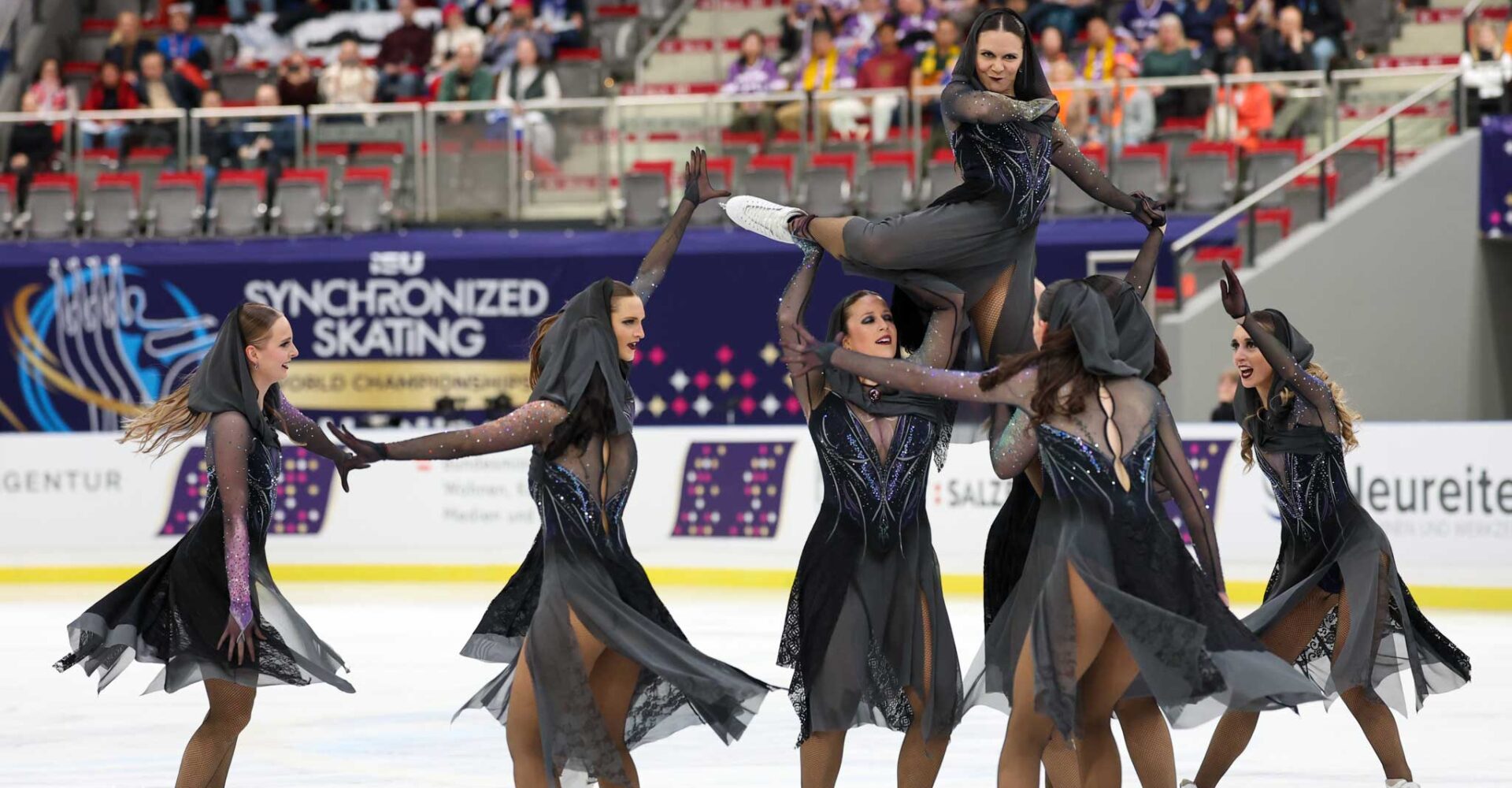
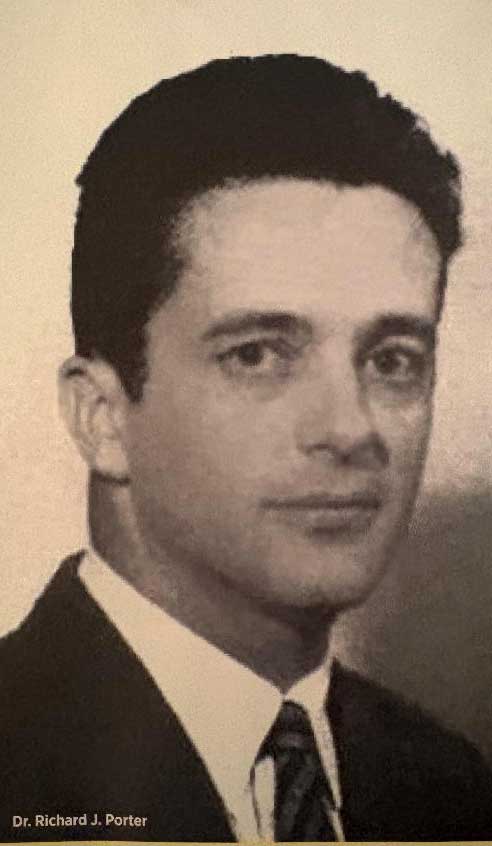
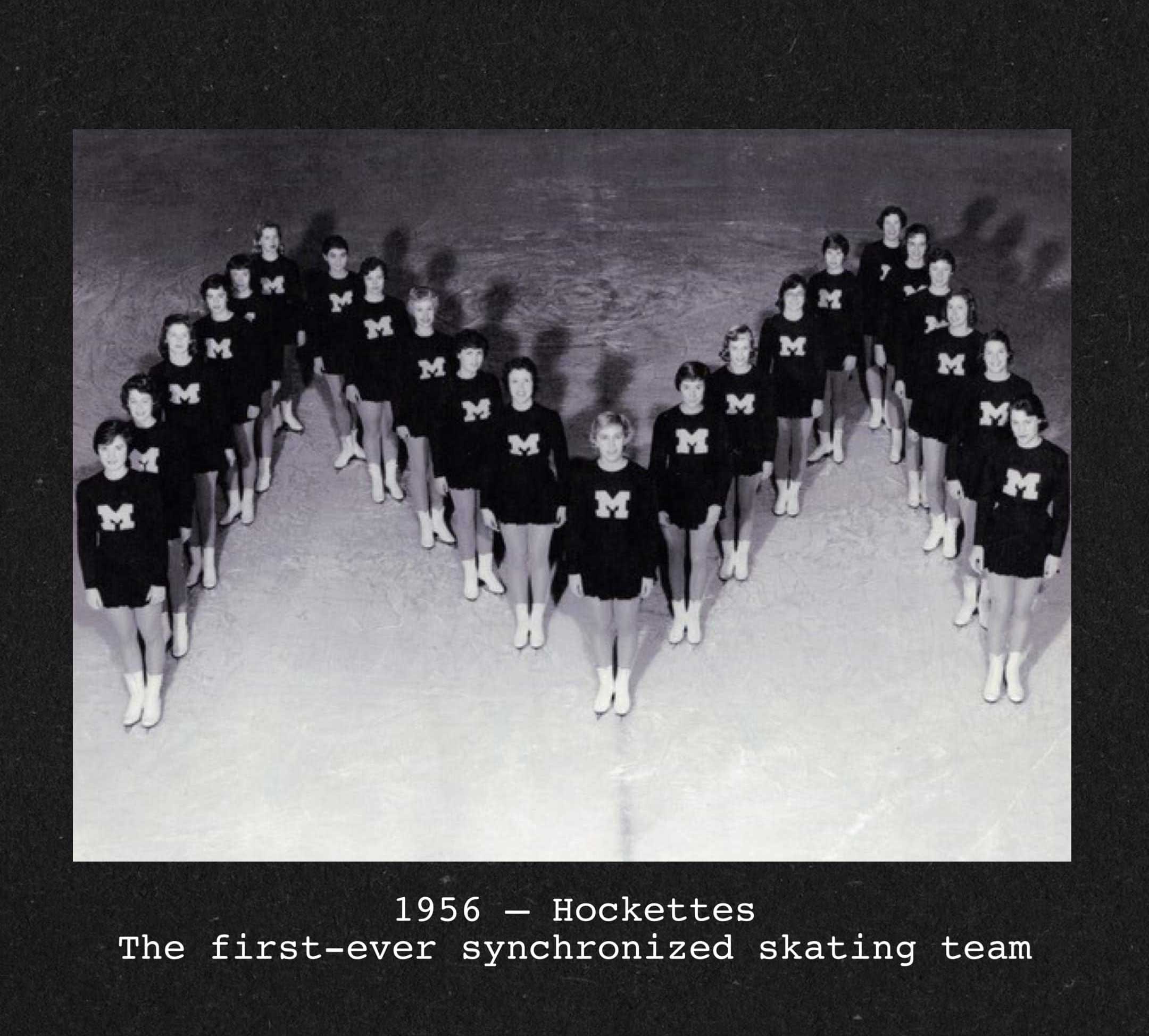
In 1956, Dr. Richard Porter, a longtime University of Michigan health department professor, formed the first synchronized skating team, which at the time was known as precision skating.
Now 70 years later, synchronized skating is headed to the Winter Olympic Games. On July 7, the executive board of the International Olympic Committee (IOC) announced that Synchro9, the International Skating Union’s (ISU) new format of synchronized skating, will be a part of the 2030 Olympic Winter Games in the French Alps. The decision marks a defining moment in the history of synchronized skating, which has been a part of the ISU since 1994.
“Today is a truly historic day for synchronized skating. We are incredibly proud that Synchro9 completes the ISU family of skating disciplines at the Olympic Winter Games,” said Jae Youl Kim, president of the ISU. “This decision fulfills a dream shared by thousands of synchronized skaters and millions of fans around the world. These remarkable athletes will have the opportunity to showcase their talent on the greatest stage in winter sport, at Alpes 2030.”
Photos courtesy of Hockettes Synchronized Skating and U.S. Figure Skating
History of synchronized skating
Tracing the history of synchronized skating reveals it began in 1956 in Ann Arbor, Michigan. After seeing a group of teen girls choreographing steps and moves on the ice, Dr. Potter, a lower-level skating judge who became known as the “father of synchronized skating,” came up with the concept of synchronized skating, which was originally known as precision skating until 1998. The first precision skating team, the Hockettes, performed during University of Michigan hockey games.
The first competition for precision skating wasn’t held until 1976, twenty years after its initial formation. It took place in Ann Arbor and featured 16 teams from Canada and America. The following year, the competition moved to Canada, the first precision skating competition held outside the United States.
The first multi-nation international competition took place in Sweden in 1989 with seven nations represented.
But before that, the first Canadian Precision Championships was held in 1983, which was the world’s first national championships in precision skating. The Supremes, out of London, Ontario, took home the first national title in Canada. The first U.S. Precision Championships took place in Bowling Green, Ohio a year later, and it was the Fraserettes out of Fraser, Michigan that won the first U.S. national title. Over the years, the competition changed its name from U.S. Precision Championships to U.S. Precision Team Skating (Synchronized Skating) Championships to U.S. Synchronized Team Skating Championships. In 2008, the current name, the U.S. Synchronized Skating Championships was adopted.
Despite both the rise of national and international competitions, precision skating did not become recognized by the ISU as a discipline until 1994. Two years later, the first of four ISU World Synchronized Skating Challenge Cups took place. Seventeen teams representing 13 countries competed in the event, which took place in the former Matthews Arena in Boston, Mass. The United States was represented by the Haydenettes and the Miami University Precision Team, who won first and second place respectively at the national championships that year. The winners of the inaugural World Synchronized Skating Challenge Cup were Team Surprise of Sweden, followed by Les Piroutettes and black ice of Canada finishing in second and third place respectively. The Haydenettes were fourth.
The ISU World Synchronized Skating Challenge Cups took place until 1999, when it was replaced by the ISU World Synchronized Championships. The inaugural world championships was held in Minneapolis, Minn. in 2000. Team Surprise captured the gold medal in the first world championships, with black ice taking second and Marigold IceUnity of Finland earning the bronze medal.
In 2001, the ISU introduced World Challenge Cup for the junior-level synchronized skaters. The first World Challenge Cup took place in Neuchatel, Switzerland with Team Fintastic of Finland winning the inaugural World Challenge Cup gold medal, with Les Supremes of Canada and the Superettes of the U.S. taking silver and bronze respectively. In 2013, the ISU created the World Junior Synchronized Skating Championships. With this new world event, the World Challenge Cup moved to a biennially competition and was held opposite of the World Junior Synchronized Skating Championships, which started as a biennially competition. However, in 2017, the ISU decided to make the World Junior Championships an annual event, and because of that, the ISU Junior World Challenge Cup ended its run in 2016.
Synchronized Skating has grown in popularity worldwide with teams in Europe, North America and Asia. In the U.S., there are approximately 600 registered synchronized skating teams. There are also hundreds of synchronized skating teams across Canada and Finland.
Introducing Synchro9
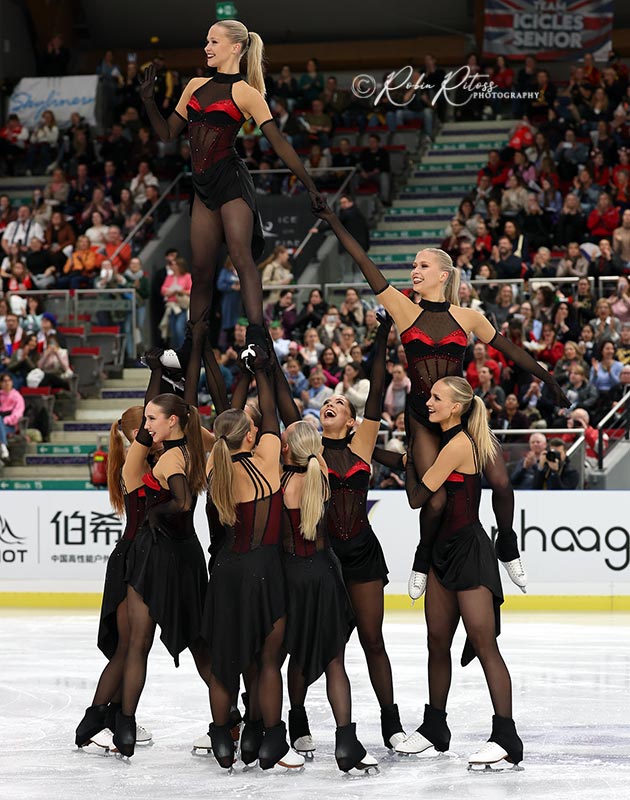
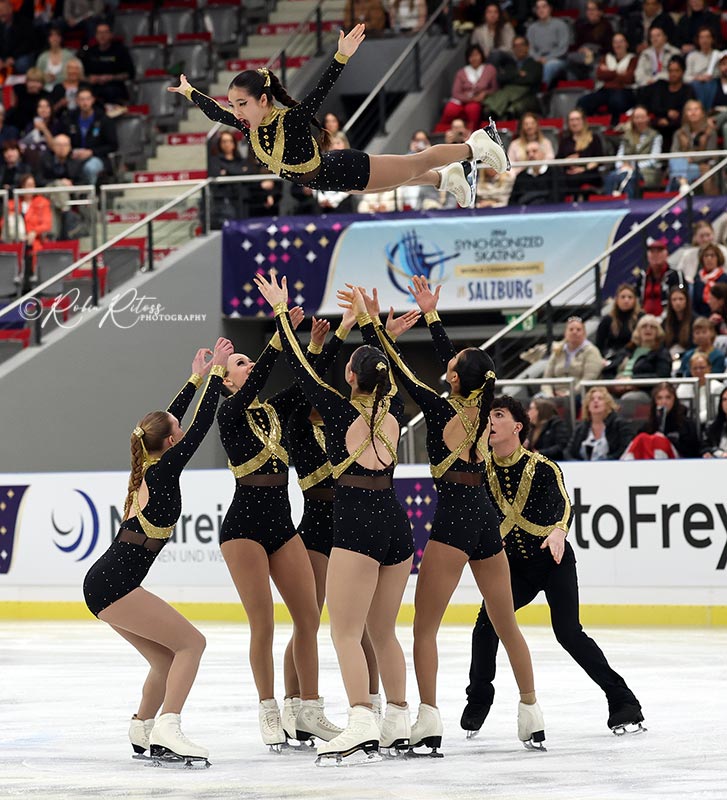
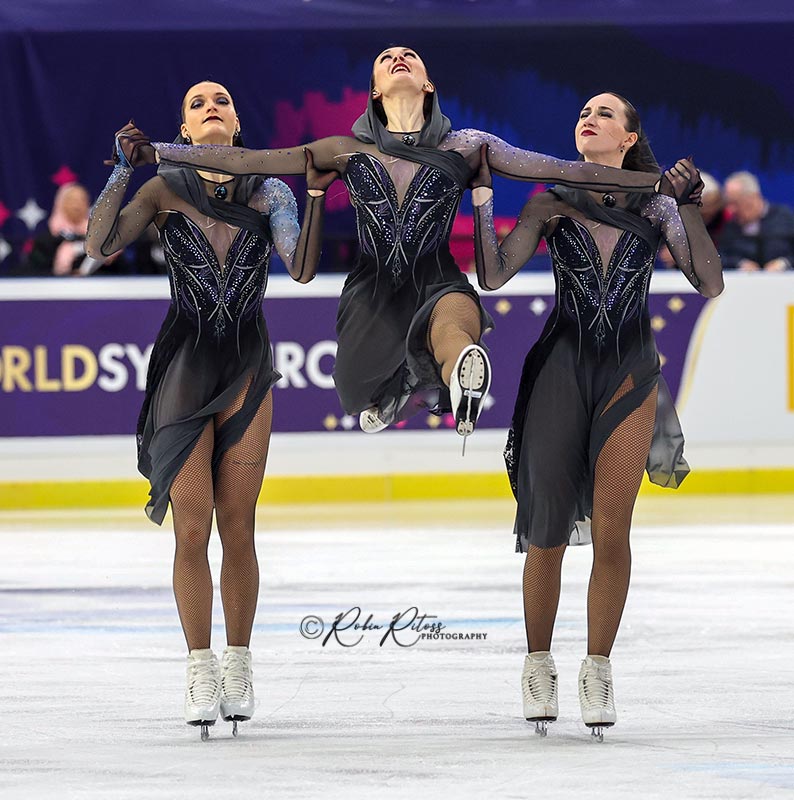
Despite its growing global popularity, synchronized skating has continuously been eluded by one ultimate milestone: inclusion as an official Olympic sport. Theories over the years for why the discipline has yet to see Olympic ice include cost and the limit on the number of athletes that are able to compete at each Games. In effort to make synchronized skating more practical for inclusion in an Olympics, the format Synchro9 was introduced and approved by the ISU Council at the end of 2025.
Synchro9 features nine skaters compared to the traditional 16. It will compete in head-to-head battles with elimination rounds, and will transform synchronized skating into a high-stakes, fast-paced experience.
At the 2026 World Figure Skating Championships in Prague, Czech Republic in late March, Synchro9 was featured at the gala exhibition. Two weeks later, three Synchro9 teams did a demonstration ahead of the free skate at the World Synchronized Skating Championships in Salzburg, Austria. Team captains of the World Synchronized Championship medalists shared their thoughts on the new format with media.
“We think it’s really exciting that synchro has the opportunity to demonstrate this new format of skating,” said Julie Bernardo of Canada’s Les Supremes. “It was nice to see the opportunity of what synchro can become in the future for the Olympics, and we really hope to see it in the Olympics one day.”
“I think it will bring something new to the sport, it allows more speed and maybe the individuals can show more. It’s really exciting,” said Evaliina Tikkinen of Finland’s Helsinki Rockettes.
When the ISU Council approved Synchro9, they also announced that Synchro9 will be included in the 2028 Winter Youth Olympic Games in Dolomiti Valtellina, Italy, replacing the pairs’ discipline at those Games. Yet, prior to its Winter Youth Olympic Games debut, Synchro9 will kick off during the 2026-27 season with international competitions taking place in Irvine, California, USA and Vantaa, Finland in November; Rouen, France in January, and Budapest, Hungary in February, culminating with the ISU Synchronized Skating World Championships in Nottingham, Great Britain at the end of March/early April. The World Championships will be a combined event and feature Synchro9 as well as the traditional senior and junior synchronized skating events.
The wait is over
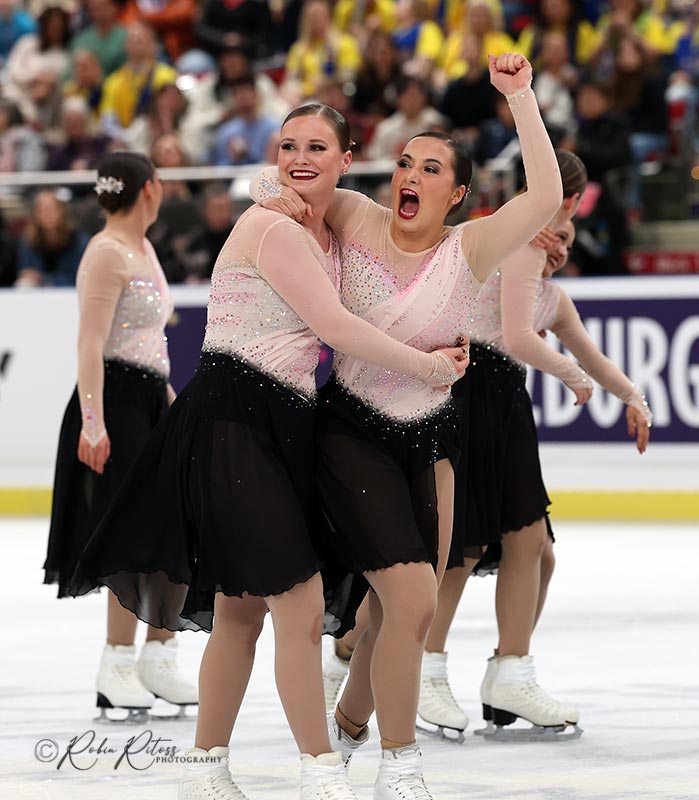
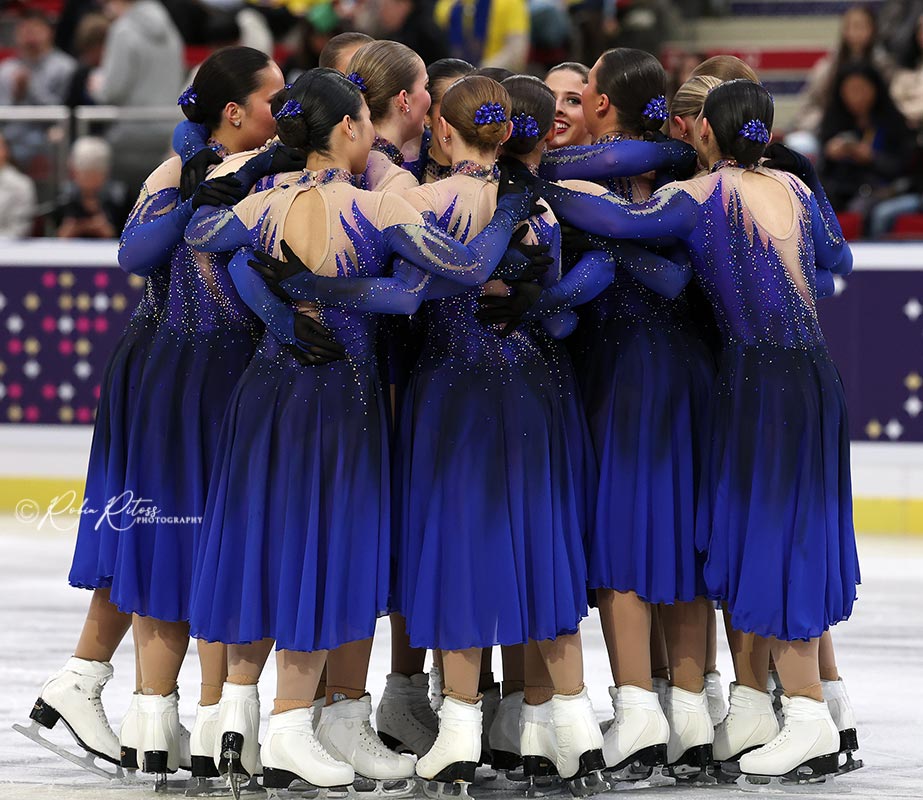
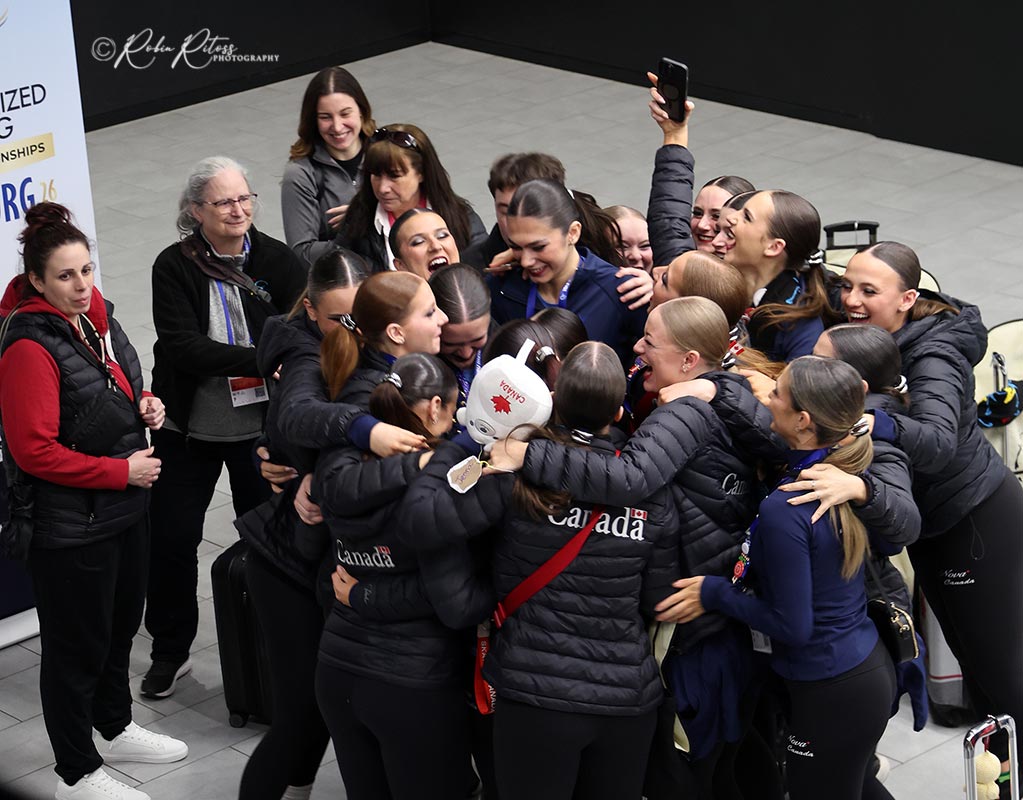
And now just months after Synchro9 was approved by the ISU, the ISU announced the IOC has approved the format for inclusion at the 2030 Winter Olympic Games in the French Alps, meaning that synchronized skating will now be an Olympic sport.
This news was greeted with enthusiasm and excitement by synchronized skaters and those who have been involved with the discipline.
In a press release from U.S. Figure Skating, Heather Paige, U.S. Figure Skating board vice president and a member of the ISU Synchro9 working group, reflected on the significance of the announcement for the synchronized skating community, saying the announcement “is a celebration of everyone who has dedicated themselves to synchronized skating over the years.”
“For decades, athletes, coaches, officials, volunteers and clubs have worked tirelessly to grow and evolve our sport, always believing it belonged on the Olympic stage,” she said. “It’s incredibly rewarding to see that vision become a reality. Seeing Synchro9 become part of the Olympic Winter Games reflects the collective passion, innovation and perseverance of our global skating community, and I’m thrilled by the opportunities it will create for generations of athletes to come.”
The Haydenettes, the most decorated synchronized skating team in U.S. history as the winners of 33 U.S. titles and eight world medals, are also celebrating this historic moment within their sport.
“The Haydenettes and all of our Hayden Synchro teams are celebrating the inclusion of Synchro9 in the 2030 Olympic Winter Games. We are proud to see our sport reach this historic milestone,” said Anna Monaco, Director of Operations, Hayden Synchronized Skating Teams in a statement to Figure Skaters Online. “This moment honors generations of our athletes, coaches, and supporters, and inspires the next generation to dream even bigger as synchronized skating takes its place on the Olympic stage in 2030!”